Buy surfclub.eu ?
We are moving the project
surfclub.eu .
Are you interested in purchasing the domain
surfclub.eu ?
domain@kv-gmbh.de · 0541-91531010
Buy surfclub.eu ?
What are those sand dunes in the flower pot?
The sand dunes in the flower pot are a type of miniature landscape known as a "Zen garden" or "Japanese rock garden." These gardens typically consist of carefully arranged sand or gravel that is raked into patterns to represent ripples in water or waves in the ocean. The sand dunes are often accompanied by rocks, moss, and small plants to create a tranquil and meditative environment. They are commonly found in Japanese temples, but have also become popular in homes and public spaces around the world as a form of relaxation and contemplation. **
How deep is the sand desert?
The depth of a sand desert can vary greatly depending on the location and specific characteristics of the desert. In general, the sand in a desert can range from a few centimeters to several meters deep. Some deserts may have sand dunes that reach heights of over 100 meters, while other areas may have a thin layer of sand covering a rocky desert floor. Overall, the depth of a sand desert is influenced by factors such as wind patterns, erosion, and the presence of vegetation. **


Similar search terms for Desert Dunes
Top-Angebote
Products related to Desert Dunes:




-
How are dunes formed and moved?
Dunes are formed by the accumulation of sand particles carried by the wind. When wind blows across a sandy surface, it picks up loose sand grains and carries them along. As the wind slows down or encounters an obstacle, it drops the sand particles, leading to the formation of dunes. Dunes can also be moved by the wind, a process known as saltation, where sand grains are bounced along the surface of the dune. Over time, dunes can migrate and change shape as a result of wind patterns and other environmental factors. **
-
How deep is the sand in the desert?
The depth of sand in the desert can vary greatly depending on the location and specific desert environment. In some areas, the sand can be just a few inches deep, while in other areas it can be several feet deep. Sand dunes, which are common in deserts, can reach heights of hundreds of feet, with the sand shifting and changing constantly due to wind and other environmental factors. Overall, the depth of sand in the desert is not consistent and can range from shallow to very deep. **
-
What lies beneath the sand in the desert?
Beneath the sand in the desert lies a complex ecosystem of plants, animals, and microorganisms that have adapted to survive in the harsh desert environment. Some desert plants have deep root systems that allow them to access water far below the surface, while desert animals have evolved specialized behaviors and physical adaptations to cope with the extreme temperatures and scarcity of water. Additionally, beneath the sand, there may be layers of rock, minerals, and even ancient fossils that provide clues about the geological history of the desert. **
-
How does the sand actually get into the desert?
Sand is formed from the erosion of rocks and minerals over time. This erosion can be caused by wind, water, or ice. Once the sand particles are formed, they can be transported by wind to the desert, where they accumulate over time. The process of sand accumulation in deserts is a slow one, taking thousands of years to create the vast dunes and landscapes we see today. **

How does the formation and movement of dunes occur?
Dunes are formed by the accumulation of sand particles carried by the wind. As the wind blows, it picks up sand from the ground and carries it to a new location. When the wind slows down, it drops the sand particles, causing them to pile up and form dunes. The movement of dunes occurs as a result of the continuous action of wind, which pushes the sand particles along the surface of the dune in the direction of the prevailing wind. Over time, dunes can migrate and change shape as the wind patterns shift. **
How is the formation and movement of dunes carried out?
Dunes are formed by the accumulation of sand particles carried by the wind. As the wind blows, it picks up sand grains and deposits them in a specific area, creating a mound or ridge. The movement of dunes is primarily driven by wind, as it pushes sand particles up the windward side of the dune and causes them to cascade down the leeward side. This process, known as saltation, allows dunes to slowly migrate and change shape over time. **
Top-Angebote
Products related to Desert Dunes:
-
What are those sand dunes in the flower pot?
The sand dunes in the flower pot are a type of miniature landscape known as a "Zen garden" or "Japanese rock garden." These gardens typically consist of carefully arranged sand or gravel that is raked into patterns to represent ripples in water or waves in the ocean. The sand dunes are often accompanied by rocks, moss, and small plants to create a tranquil and meditative environment. They are commonly found in Japanese temples, but have also become popular in homes and public spaces around the world as a form of relaxation and contemplation. **
-
How deep is the sand desert?
The depth of a sand desert can vary greatly depending on the location and specific characteristics of the desert. In general, the sand in a desert can range from a few centimeters to several meters deep. Some deserts may have sand dunes that reach heights of over 100 meters, while other areas may have a thin layer of sand covering a rocky desert floor. Overall, the depth of a sand desert is influenced by factors such as wind patterns, erosion, and the presence of vegetation. **
-
How are dunes formed and moved?
Dunes are formed by the accumulation of sand particles carried by the wind. When wind blows across a sandy surface, it picks up loose sand grains and carries them along. As the wind slows down or encounters an obstacle, it drops the sand particles, leading to the formation of dunes. Dunes can also be moved by the wind, a process known as saltation, where sand grains are bounced along the surface of the dune. Over time, dunes can migrate and change shape as a result of wind patterns and other environmental factors. **
-
How deep is the sand in the desert?
The depth of sand in the desert can vary greatly depending on the location and specific desert environment. In some areas, the sand can be just a few inches deep, while in other areas it can be several feet deep. Sand dunes, which are common in deserts, can reach heights of hundreds of feet, with the sand shifting and changing constantly due to wind and other environmental factors. Overall, the depth of sand in the desert is not consistent and can range from shallow to very deep. **
Similar search terms for Desert Dunes
-
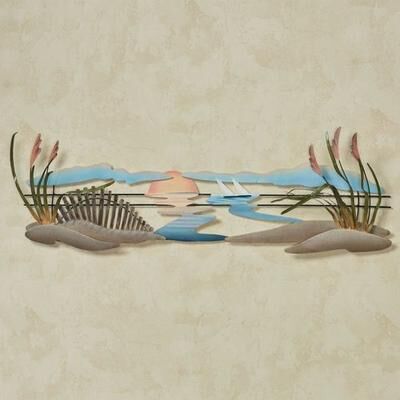
T.i./New Metal Design Sand Dunes Wall Art Blue , BlueLose yourself in daydreams of time spent along the Sand Dunes. Designed by artist Joanne Ferrara, the handcrafted metal wall sculpture features rolling sand dunes, waving sea oats, and a weathered fence all overlooking the sun as it sets along calm...129,00 $*Shipping: 20,95 $Secure redirect to the provider
-
Carol Benson-Cobb Ink Wash Desert Sun WallpaperInk Wash's broad, brushstrokes are punctuated with beautifully executed lines and splashes to soften the color and soothe the eye. This Ink Wash Wallpaper measures approximately 27 inches wide by 27 feet long, covering About 60.8 square feet per roll.170,00 $*Shipping: 0,00 $Secure redirect to the provider
-
What lies beneath the sand in the desert?
Beneath the sand in the desert lies a complex ecosystem of plants, animals, and microorganisms that have adapted to survive in the harsh desert environment. Some desert plants have deep root systems that allow them to access water far below the surface, while desert animals have evolved specialized behaviors and physical adaptations to cope with the extreme temperatures and scarcity of water. Additionally, beneath the sand, there may be layers of rock, minerals, and even ancient fossils that provide clues about the geological history of the desert. **
-
How does the sand actually get into the desert?
Sand is formed from the erosion of rocks and minerals over time. This erosion can be caused by wind, water, or ice. Once the sand particles are formed, they can be transported by wind to the desert, where they accumulate over time. The process of sand accumulation in deserts is a slow one, taking thousands of years to create the vast dunes and landscapes we see today. **
-
How does the formation and movement of dunes occur?
Dunes are formed by the accumulation of sand particles carried by the wind. As the wind blows, it picks up sand from the ground and carries it to a new location. When the wind slows down, it drops the sand particles, causing them to pile up and form dunes. The movement of dunes occurs as a result of the continuous action of wind, which pushes the sand particles along the surface of the dune in the direction of the prevailing wind. Over time, dunes can migrate and change shape as the wind patterns shift. **
-
How is the formation and movement of dunes carried out?
Dunes are formed by the accumulation of sand particles carried by the wind. As the wind blows, it picks up sand grains and deposits them in a specific area, creating a mound or ridge. The movement of dunes is primarily driven by wind, as it pushes sand particles up the windward side of the dune and causes them to cascade down the leeward side. This process, known as saltation, allows dunes to slowly migrate and change shape over time. **
* All prices are inclusive of VAT and, if applicable, plus shipping costs. The offer information is based on the details provided by the respective shop and is updated through automated processes. Real-time updates do not occur, so deviations can occur in individual cases. ** Note: Parts of this content were created by AI.